
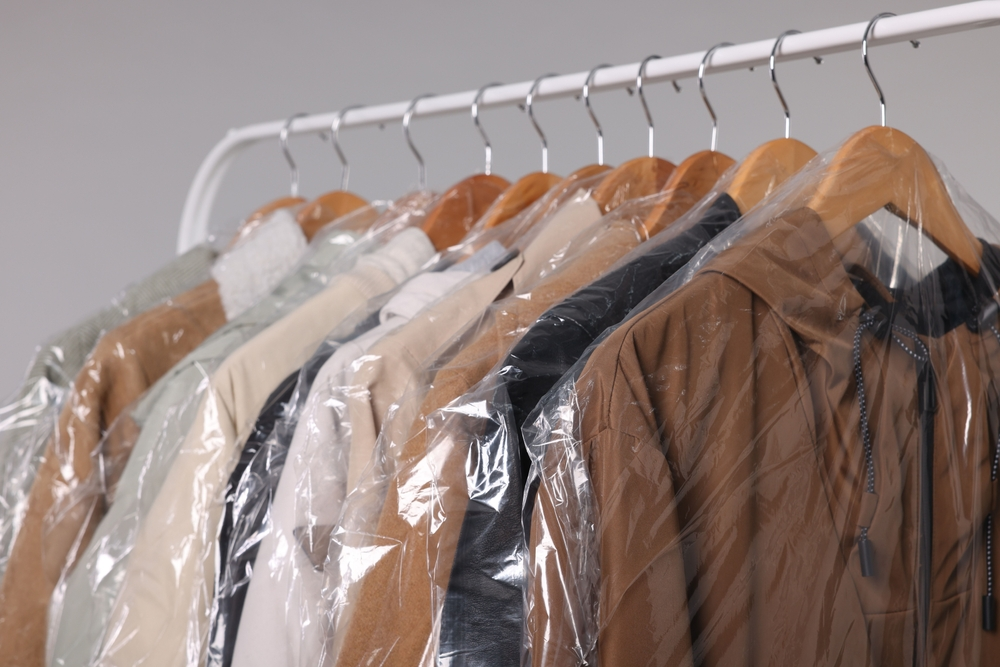
Seasonal clothes need proper care before you store them for several months. Sweaters, winter jackets, silk garments, and other special fabrics can develop unpleasant smells, wrinkles, stains, or fabric damage when stored incorrectly. Knowing how to store seasonal clothes helps keep your wardrobe clean and your favourite outfits ready for the next season.
In this guide, BusyBees shares practical clothing storage tips to help you protect your garments and maintain their quality.
1. Clean Clothes Before Storing Them
Always clean your clothes before putting them away for a long period. Sweat, body oils, food stains, and perfume residue can attract insects and cause unpleasant odours over time.
- Wash everyday garments according to their care labels.
- Dry-clean delicate garments when recommended.
- Make sure every item is completely dry before storage.
For delicate or special garments, professional dry cleaning can help remove residues that ordinary washing may not handle effectively.
2. Check the Fabric Care Label
Different fabrics require different cleaning and storage methods. Wool, silk, cotton, and synthetic materials may react differently to moisture, heat, and folding.
Read the care label before washing or storing each item. Avoid using high temperatures on delicate fabrics, and follow the manufacturer’s instructions for special garments.
3. Choose the Right Storage Containers
The right container helps protect clothes from dust and accidental spills.
- Use clean storage boxes for folded garments.
- Choose breathable garment covers for suitable fabrics.
- Avoid storing clothes in damp areas.
- Keep containers away from direct sunlight.
Avoid sealing garments that are even slightly damp, as trapped moisture can lead to musty smells and possible mould growth.
4. Fold or Hang Clothes Correctly
Not every garment should be stored in the same way. Heavy knitwear and sweaters are generally better folded to prevent stretching. Structured jackets and garments that wrinkle easily may benefit from suitable hangers and breathable covers.
Do not overcrowd your wardrobe or storage boxes. Allowing enough space helps reduce deep creases and makes clothes easier to retrieve.
5. Protect Clothes From Moisture and Odours
Moisture is one of the biggest problems when storing seasonal clothing. Before storing garments, check that your wardrobe or storage area is clean, dry, and well ventilated.
You can also:
- Clean storage shelves before arranging clothes.
- Use moisture absorbers where appropriate and according to their instructions.
- Keep clothes away from damp walls and leaking areas.
- Inspect stored garments periodically.
If clothes develop a musty smell, identify and address the moisture source before cleaning and storing them again.
6. Give Winter Clothes Extra Attention
Winter clothing often includes woollen sweaters, coats, scarves, and padded jackets. These items can take longer to dry and may need specialised care.
Check the care labels carefully. Some coats and jackets require professional cleaning, while certain knitwear items should be hand-washed or cleaned using a specific method.
For bulky items that are difficult to clean at home, consider a suitable professional laundry or dry-cleaning service.
7. Refresh Clothes Before Wearing Them Again
When a new season arrives, take your stored garments out and inspect them before wearing them. Look for stains, odours, wrinkles, loose buttons, and signs of moisture damage.
Air out suitable garments in a clean, shaded, well-ventilated area. Clean items as needed, and use professional steam ironing where appropriate to refresh garments and reduce wrinkles.
Common Seasonal Clothing Storage Mistakes
Avoid these common mistakes to help extend the life of your clothes:
- Storing garments without cleaning visible stains.
- Packing clothes while they are damp.
- Hanging heavy sweaters for long periods.
- Using unsuitable plastic covers for long-term storage.
- Ignoring care labels.
- Keeping clothes in humid or poorly ventilated spaces.
Keep Your Clothes Fresh With BusyBees
Proper cleaning and storage can help seasonal clothes remain fresh, neat, and ready to wear. By cleaning garments before storage, choosing suitable containers, and checking them periodically, you can reduce avoidable fabric damage and unpleasant odours.
Need help caring for your garments? Explore the suitable BusyBees laundry, dry-cleaning, and steam-ironing services to keep your clothes looking their best.
Final Tip: Clean, dry, and store your clothes properly before every seasonal change to make wardrobe care easier.