busybees@2022@

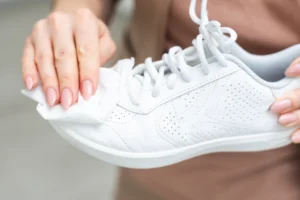
Clean white sneakers and leather shoes after professional shoe cleaning
Shoe cleaning
busybees@2022@

How to Clean Shoes at Home and Keep Them Looking New

Shoes collect dust, mud, sweat, and stains through everyday use. Without proper care, they can lose their original appearance, develop unpleasant odours, and wear out sooner. Learning how to clean shoes at home helps you maintain their look, comfort, and durability. Whether you wear white sneakers, leather shoes, sports shoes, or casual footwear, the right cleaning method depends on the material. Here are some practical shoe cleaning tips to keep your footwear looking fresh. 1. Remove Dust and Loose Dirt First Before washing your shoes, remove loose dirt and dust from the surface. Use a soft brush or dry microfibre cloth to clean the upper, sides, and soles. For stubborn dirt around the edges, use a small, soft-bristled brush. Avoid scrubbing delicate materials aggressively, as this can cause scratches or damage the finish. 2. Clean White Sneakers Carefully White sneakers can quickly show dirt, scuff marks, and stains. Start by removing the laces and brushing away loose debris. Use a mild cleaning solution suitable for the shoe material and gently wipe the surface with a soft cloth. Test the solution on a small, hidden area first. Avoid harsh bleach or strong chemicals, which may cause yellowing or discolouration. Clean the soles separately with a suitable brush, taking care not to spread dirt onto the upper material. 3. Use the Right Method for Leather Shoes Leather shoes require gentle cleaning to maintain their finish and prevent cracking. Wipe away surface dust with a soft, dry cloth, then use a slightly damp cloth and a leather-safe cleaner if needed. Do not soak leather shoes in water or dry them near direct heat. Once clean and dry, apply an appropriate leather conditioner according to the manufacturer’s instructions. For expensive or delicate leather footwear, professional shoe cleaning is often a safer choice. 4. Clean Sports Shoes and Fabric Sneakers Sports shoes and fabric sneakers can trap dust, sweat, and odours. Remove the laces and insoles if they are designed to be removable. Use a soft brush and a small amount of suitable cleaner to gently clean the fabric. Avoid soaking shoes unnecessarily, especially if they contain glued components or delicate materials. Always check the manufacturer’s instructions before placing shoes in a washing machine. Hand cleaning is often more suitable for footwear that needs extra care. 5. Remove Shoe Odours Properly Unpleasant shoe odours often develop when sweat and moisture remain inside footwear. Allow shoes to air-dry completely after use, and avoid wearing the same pair every day if possible. Remove and air out the insoles when the manufacturer permits it. Keep shoes in a dry, ventilated area rather than storing damp footwear inside a closed cupboard. If odours persist, clean the shoes and insoles using products suitable for their materials. Do not use strong chemicals that may irritate the skin or damage the footwear. 6. Dry Shoes Without Damaging Them Drying is just as important as cleaning. Excessive heat from hair dryers, radiators, or direct sunlight can deform shoes, weaken adhesives, and damage some materials. Gently blot excess moisture with a clean towel and leave the shoes to dry naturally in a well-ventilated area. You can use clean paper inside the shoes to help absorb moisture, replacing it when it becomes damp. Make sure the shoes are fully dry before wearing or storing them. 7. Protect Your Shoes from Future Stains Regular maintenance makes shoe cleaning easier. Brush away dirt after outdoor use, clean stains as soon as possible, and store footwear in a dry place. For suitable materials, consider a compatible protective spray after checking the manufacturer’s instructions. Avoid using one product on every type of shoe because leather, suede, canvas, and synthetic materials have different care requirements. 8. When Should You Choose Professional Shoe Cleaning? Home cleaning may not be enough for deep stains, delicate fabrics, suede, expensive footwear, or persistent odours. Using the wrong cleaner or brushing too aggressively can make the damage worse. Professional shoe cleaning can help address dirt and stains using methods suited to the footwear’s material. It is particularly useful when your shoes need more attention than routine surface cleaning. BusyBees offers shoe cleaning services to help customers care for their footwear. Visit the BusyBees website to explore the available service and booking options. Why Choose BusyBees for Shoe Cleaning? Keeping shoes clean can be challenging when you have a busy schedule. BusyBees helps make footwear care more convenient with its shoe cleaning service. Whether you want to refresh everyday sneakers or give frequently worn footwear some extra attention, choosing an appropriate cleaning method helps protect its appearance and usability. Conclusion Learning how to clean shoes at home helps keep your footwear fresh and presentable. Remove loose dirt first, use cleaners suitable for the material, prevent moisture buildup, and allow shoes to dry naturally. For delicate materials or stubborn stains, consider professional shoe cleaning. With regular maintenance and the right care, you can help your shoes look better and last longer.

Read More »
Seasonal clothes neatly folded and organized for storage
Laundry Tips / Garment Care
busybees@2022@

How to Store Seasonal Clothes and Keep Them Fresh

Seasonal wardrobe changes are a great opportunity to organize your clothes and prepare for the months ahead. However, storing garments without proper cleaning and preparation can lead to unpleasant odors, fabric damage, and stubborn stains. Knowing how to store seasonal clothes correctly helps keep your favorite outfits fresh and ready to wear. In this guide, discover practical clothing storage tips to protect your garments and maintain their quality throughout the year. 1. Clean Clothes Before Storing Them One of the most important clothing storage tips is to clean every garment before putting it away. Sweat, body oils, perfume, and food stains can become harder to remove over time. They may also attract insects and cause unpleasant smells. Wash everyday clothes according to their care labels. For delicate fabrics, designer outfits, and garments that require special attention, consider professional dry cleaning before storage. 2. Make Sure Clothes Are Completely Dry Moisture trapped inside stored clothes can encourage mold growth and musty odors. Even slightly damp garments can develop an unpleasant smell when kept in closed cupboards for several months. After washing, dry your clothes completely before folding or hanging them. Check thick fabrics, pockets, collars, and seams, as these areas may retain moisture longer. 3. Choose the Right Storage Method Different fabrics need different storage methods. Cotton T-shirts, casual wear, and lightweight garments can usually be folded and stored on clean shelves. Shirts, dresses, and structured outfits may benefit from hangers that help maintain their shape. For heavy sweaters and knitted garments, folding is often better than hanging because it helps prevent stretching. Use breathable garment covers for suitable clothing, and avoid tightly packing items into storage containers. 4. Keep Your Wardrobe Clean and Dry Before storing seasonal clothing, clean your wardrobe shelves, drawers, and storage boxes. Remove dust and allow the surfaces to dry completely before placing clothes inside. Choose a cool, dry storage area with good ventilation. Avoid damp corners and areas exposed to direct sunlight, which can contribute to fabric damage and fading. 5. Protect Delicate and Expensive Garments Silk dresses, wool coats, embroidered outfits, and special-occasion clothing may need additional care. Always follow the manufacturer’s care instructions before cleaning or storing these items. Avoid placing heavy garments on top of delicate fabrics. Keep embellished clothing separate to reduce snagging, and use suitable hangers for garments that need to retain their shape. If you are unsure how to clean a valuable garment, professional dry cleaning can help you choose an appropriate care method before long-term storage. 6. Prevent Musty Smells and Fabric Damage Good airflow and moisture control are essential for keeping stored clothes fresh. Avoid storing garments in damp plastic bags for long periods, and inspect your wardrobe occasionally for signs of moisture or unpleasant odors. You can also organize clothing by season and label storage containers to make items easier to find. When bringing clothes out of storage, inspect them for stains, odors, or damage before wearing them. 7. Refresh Clothes Before Wearing Them Again Before switching back to your seasonal wardrobe, check each garment carefully. Wash everyday clothing when needed, and use steam ironing where the fabric care label allows it. For coats, suits, delicate dresses, and other garments that require specialized cleaning, consider professional garment care. This helps you prepare your clothes for use without relying on unsuitable home-cleaning methods. Why Choose BusyBees for Clothing Care? BusyBees helps you care for everyday garments and special clothing with convenient laundry and dry-cleaning services. Whether you are preparing clothes for seasonal storage or refreshing outfits for the coming months, professional garment care can make wardrobe maintenance easier. Visit the BusyBees website to explore available services and arrange your clothing care according to your needs. Conclusion Learning how to store seasonal clothes properly helps protect fabric quality, reduce unpleasant odors, and keep your wardrobe organized. Clean garments before storage, ensure they are completely dry, choose suitable storage methods, and inspect clothes before wearing them again. With these simple habits and the right garment care when needed, you can keep your seasonal wardrobe fresh and ready throughout the year.

Read More »
Properly folded seasonal clothes stored neatly in a clean wardrobe
Laundry Tips / Garment Care
busybees@2022@

How to Store Seasonal Clothes Without Damaging Them

Seasonal clothes need proper care before you store them for several months. Sweaters, winter jackets, silk garments, and other special fabrics can develop unpleasant smells, wrinkles, stains, or fabric damage when stored incorrectly. Knowing how to store seasonal clothes helps keep your wardrobe clean and your favourite outfits ready for the next season. In this guide, BusyBees shares practical clothing storage tips to help you protect your garments and maintain their quality. 1. Clean Clothes Before Storing Them Always clean your clothes before putting them away for a long period. Sweat, body oils, food stains, and perfume residue can attract insects and cause unpleasant odours over time. Wash everyday garments according to their care labels. Dry-clean delicate garments when recommended. Make sure every item is completely dry before storage. For delicate or special garments, professional dry cleaning can help remove residues that ordinary washing may not handle effectively. 2. Check the Fabric Care Label Different fabrics require different cleaning and storage methods. Wool, silk, cotton, and synthetic materials may react differently to moisture, heat, and folding. Read the care label before washing or storing each item. Avoid using high temperatures on delicate fabrics, and follow the manufacturer’s instructions for special garments. 3. Choose the Right Storage Containers The right container helps protect clothes from dust and accidental spills. Use clean storage boxes for folded garments. Choose breathable garment covers for suitable fabrics. Avoid storing clothes in damp areas. Keep containers away from direct sunlight. Avoid sealing garments that are even slightly damp, as trapped moisture can lead to musty smells and possible mould growth. 4. Fold or Hang Clothes Correctly Not every garment should be stored in the same way. Heavy knitwear and sweaters are generally better folded to prevent stretching. Structured jackets and garments that wrinkle easily may benefit from suitable hangers and breathable covers. Do not overcrowd your wardrobe or storage boxes. Allowing enough space helps reduce deep creases and makes clothes easier to retrieve. 5. Protect Clothes From Moisture and Odours Moisture is one of the biggest problems when storing seasonal clothing. Before storing garments, check that your wardrobe or storage area is clean, dry, and well ventilated. You can also: Clean storage shelves before arranging clothes. Use moisture absorbers where appropriate and according to their instructions. Keep clothes away from damp walls and leaking areas. Inspect stored garments periodically. If clothes develop a musty smell, identify and address the moisture source before cleaning and storing them again. 6. Give Winter Clothes Extra Attention Winter clothing often includes woollen sweaters, coats, scarves, and padded jackets. These items can take longer to dry and may need specialised care. Check the care labels carefully. Some coats and jackets require professional cleaning, while certain knitwear items should be hand-washed or cleaned using a specific method. For bulky items that are difficult to clean at home, consider a suitable professional laundry or dry-cleaning service. 7. Refresh Clothes Before Wearing Them Again When a new season arrives, take your stored garments out and inspect them before wearing them. Look for stains, odours, wrinkles, loose buttons, and signs of moisture damage. Air out suitable garments in a clean, shaded, well-ventilated area. Clean items as needed, and use professional steam ironing where appropriate to refresh garments and reduce wrinkles. Common Seasonal Clothing Storage Mistakes Avoid these common mistakes to help extend the life of your clothes: Storing garments without cleaning visible stains. Packing clothes while they are damp. Hanging heavy sweaters for long periods. Using unsuitable plastic covers for long-term storage. Ignoring care labels. Keeping clothes in humid or poorly ventilated spaces. Keep Your Clothes Fresh With BusyBees Proper cleaning and storage can help seasonal clothes remain fresh, neat, and ready to wear. By cleaning garments before storage, choosing suitable containers, and checking them periodically, you can reduce avoidable fabric damage and unpleasant odours. Need help caring for your garments? Explore the suitable BusyBees laundry, dry-cleaning, and steam-ironing services to keep your clothes looking their best. Final Tip: Clean, dry, and store your clothes properly before every seasonal change to make wardrobe care easier.

Read More »
Professional office clothing care with freshly washed formal shirts and trousers
Laundry Tips / Garment Care
busybees@2022@

How to Wash Office Clothes Properly and Keep Them Looking Professional

Office clothes play an important role in creating a professional appearance. From formal shirts and trousers to blazers, skirts, and work uniforms, keeping your clothing clean and presentable helps you feel confident throughout the working day. However, frequent washing, unsuitable detergents, and incorrect ironing methods can cause colours to fade, fabrics to shrink, or garments to lose their shape. Learning how to wash office clothes properly can help you maintain your work wardrobe and extend the life of your favourite outfits. BusyBees offers professional laundry services in Hyderabad to help working professionals manage their everyday garment-care needs. 1. Check the Care Labels Before Washing Office Clothes Before washing any office garment, check its care label. Different fabrics require different washing temperatures, detergents, and drying methods. Cotton shirts may tolerate regular washing, while wool blazers, silk garments, and structured formal wear may require specialised care. Always check whether the garment is machine-washable, hand-washable, or suitable only for professional cleaning. Following these instructions helps reduce the risk of shrinkage, fading, and fabric damage. 2. Separate Office Clothes by Colour and Fabric Sorting clothes before washing can help protect your work wardrobe. Follow these simple steps: Separate white shirts from dark trousers and coloured garments. Wash new, brightly coloured garments separately when appropriate. Keep delicate fabrics away from heavy items such as jeans and towels. Close zippers and fastenings before washing. Use a suitable laundry bag for machine-washable delicate garments. Separating garments appropriately helps reduce colour transfer and unnecessary friction during washing. 3. Use the Right Washing Method for Formal Shirts Formal shirts are frequently worn by office workers and may need regular cleaning, particularly around collars and cuffs. To care for your shirts: Check the care label before choosing a washing cycle. Treat visible stains using a fabric-appropriate method. Use the recommended amount of detergent. Avoid excessive heat when drying. Follow the ironing instructions to maintain a neat finish. Do not scrub collars and cuffs aggressively, as this may damage the fabric over time. 4. Give Trousers and Blazers Special Attention Formal trousers and blazers often require more careful handling than everyday casual clothing. Trousers may need appropriate pressing to maintain their creases, while blazers can contain linings and internal structures that may be damaged by unsuitable washing. Check the garment label before cleaning. If a blazer or pair of trousers is marked for dry cleaning, use an appropriate professional service rather than attempting ordinary machine washing. Proper handling helps maintain the shape and appearance of structured workwear. 5. Remove Office Clothing Stains Carefully Coffee spills, food marks, ink, and everyday dirt can affect office clothing. When a stain occurs, blot excess liquid gently with a clean cloth. Avoid rubbing the area aggressively or applying random cleaning products. Remember these precautions: Check the care label before using a stain remover. Avoid bleach unless it is specifically suitable for the garment. Do not apply excessive heat to a stained area. Avoid mixing household cleaning chemicals. Seek professional advice for delicate or valuable clothing. Some stains may become more difficult to remove after unsuitable treatment, so prompt and appropriate care is important. 6. Keep Office Clothes Wrinkle-Free Wrinkles can make formal clothing appear less polished. Correct drying, storage, and ironing practices can help maintain a neat appearance. Consider these habits: Remove garments promptly after washing. Dry clothes according to their care labels. Hang suitable shirts on appropriate hangers. Fold knitwear instead of hanging it when necessary. Use the recommended ironing temperature. Allow garments to cool and dry before storing them. Professional steam ironing can be a convenient option for suitable shirts, trousers, and other workwear that requires a neat finish. 7. How Often Should You Wash Office Clothes? The ideal washing frequency depends on the garment, weather, activity level, and personal hygiene requirements. For example, shirts worn directly against the skin may need washing after each use, while some outer garments may require less frequent cleaning if they remain clean and their care instructions permit it. Always wash garments when they become sweaty, visibly dirty, or develop an unpleasant odour. Avoid unnecessary washing that may contribute to premature fabric wear. 8. When Should You Choose Professional Laundry and Dry Cleaning? Home washing is suitable for many everyday garments, but professional care may be more appropriate for certain workwear. Consider professional services for: Suits and structured blazers. Garments marked dry-clean-only. Delicate fabrics. Formal clothing with special finishes. Stubborn stains on valuable garments. Office wear that requires careful pressing. A professional cleaner can assess the fabric and garment construction before selecting a suitable cleaning method. 9. Save Time with BusyBees Laundry Services in Hyderabad Busy professionals often have limited time for sorting laundry, washing clothes, ironing shirts, and preparing outfits for the next working day. BusyBees offers professional laundry services in Hyderabad for customers looking for convenient garment care. Whether you need help with everyday clothing or suitable garments requiring specialised attention, explore our available laundry and dry-cleaning options. Visit the BusyBees website to learn more about our professional laundry services in Hyderabad and enquire about arranging a pickup. Make your workweek easier with BusyBees and keep your wardrobe ready for the next working day. Frequently Asked Questions Can I wash all office clothes in a washing machine? No. Some garments, particularly structured blazers and delicate fabrics, may require specialised cleaning. Always check the care label. How can I keep formal shirts looking new? Wash shirts according to their care instructions, use suitable detergent, avoid excessive heat, and follow the recommended ironing method. Should office trousers be dry-cleaned? Not all trousers require dry cleaning. The correct method depends on the fabric, construction, and care label. Is steam ironing suitable for office clothes? Steam ironing can be suitable for many garments, but the appropriate temperature and method depend on the fabric and manufacturer’s instructions. Can professional laundry services save time for working professionals? Yes. Professional laundry services can reduce the time spent on washing and pressing suitable garments, depending on your laundry requirements and service availability.

Read More »
Laundry tips for removing bad smells and keeping clothes fresh
Laundry Tips / Garment Care
busybees@2022@

How to Remove Bad Smells from Clothes: 7 Effective Laundry Tips

Have you ever washed your clothes only to notice an unpleasant smell after they dry? Sweat, dampness, detergent residue, and improper storage can sometimes leave garments smelling less than fresh. Understanding how to remove bad smells from clothes can help you maintain a fresh wardrobe and avoid common laundry problems. Different fabrics require different cleaning methods, so choosing the right washing, drying, and storage practices is important. With a few simple changes to your laundry routine, you can help keep your clothes clean and comfortable. BusyBees provides professional laundry services in Hyderabad to help customers care for their everyday garments. 1. Identify the Cause of the Unpleasant Smell Before treating odours, try to identify what is causing them. Different sources may require different approaches. Common causes include: Sweat and body oils trapped in clothing. Clothes left inside a washing machine after a cycle. Garments that have not dried completely. Excess detergent or fabric softener residue. Damp wardrobes or unsuitable storage conditions. Towels and workout clothes that need more frequent washing. Identifying the source can help you choose an appropriate cleaning method instead of repeatedly washing clothes without solving the problem. 2. Wash Sweaty Clothes Promptly Workout clothes, uniforms, and garments worn in hot weather can accumulate sweat and body oils. To care for these clothes: Avoid leaving sweaty garments in a closed laundry bag for long periods. Follow the garment’s washing instructions. Separate heavily soiled clothing when appropriate. Use the recommended amount of suitable detergent. Allow garments to dry completely after washing. Avoid using excessive detergent, as residue may remain in the fabric and contribute to unpleasant smells. 3. Do Not Leave Wet Clothes in the Washing Machine One common laundry mistake is leaving damp clothes inside the washing machine after the wash cycle ends. A warm, damp environment can encourage the growth of microorganisms responsible for musty odours. To help prevent this problem, remove clothes promptly after washing, leave the washing machine door open when appropriate for ventilation, and follow the manufacturer’s cleaning instructions for the machine. If clothes already smell musty, rewash them according to their care labels and dry them thoroughly. 4. Dry Clothes Completely Before Storing Them Clothes may develop an unpleasant smell when stored before they are completely dry. Follow these practices: Hang garments with enough space for air circulation. Dry clothes in a well-ventilated area. Follow fabric-specific drying instructions. Avoid leaving damp clothes in piles. Make sure thick garments are dry throughout before folding them. During humid or rainy weather, drying may take longer. Check thicker fabrics carefully before placing them in your wardrobe. 5. Clean Towels and Workout Clothes Correctly Towels and sportswear often need particular attention because they are regularly exposed to moisture and sweat. For better results, follow the care label, avoid overloading the washing machine, and use an appropriate detergent. Do not automatically wash every garment at the highest temperature. The suitable temperature depends on the fabric and manufacturer’s instructions. If an odour persists after washing, check the washing machine for residue and review your detergent dosage and drying routine. 6. Avoid Common Laundry Habits That Cause Odours Some everyday habits can make it harder to keep clothes smelling fresh. Avoid these mistakes: Leaving damp clothes in a basket for extended periods. Using more detergent than recommended. Overloading the washing machine. Allowing clean clothes to remain damp after washing. Storing garments in a humid wardrobe. Using fragrance products to cover up persistent musty smells. Ignoring washing machine maintenance. Addressing the cause of the odour is usually more useful than simply adding more fragrance. 7. Store Clean Clothes in a Dry, Well-Ventilated Wardrobe Proper storage helps preserve freshness after washing. Keep your wardrobe clean and dry, avoid overcrowding garments, and allow clothing to cool and dry completely before storing it. Check seasonal clothes before putting them away for long periods. If a garment smells musty, inspect it for moisture and clean it according to its care instructions before storage. For delicate garments, choose suitable storage methods that protect the fabric and its finish. 8. When Should You Choose Professional Laundry Services? Home washing is suitable for many everyday garments, but persistent odours or delicate fabrics may require additional attention. Consider professional laundry services when dealing with: Garments with persistent sweat odours. Delicate clothing with specific cleaning instructions. Premium garments that need specialised care. Clothes with stains and unpleasant smells. Large laundry loads that are difficult to manage at home. A professional cleaner can assess the garment and select an appropriate treatment. Results depend on the fabric, source of the odour, and previous cleaning attempts. If a garment has a persistent musty smell caused by moisture or visible mould, avoid wearing it until the issue has been appropriately addressed. 9. Choose BusyBees for Professional Laundry Services in Hyderabad Keeping your clothes fresh requires more than washing them regularly. Suitable detergent, proper drying, and correct storage all contribute to good garment care. BusyBees offers professional laundry services in Hyderabad for customers seeking convenient clothing care. Whether you need help managing everyday laundry or caring for garments that require special attention, explore our available services. Visit the BusyBees website to learn more about our professional laundry services and enquire about arranging a pickup. Keep your wardrobe fresh with BusyBees. Frequently Asked Questions Why do my clothes smell bad after washing? Possible causes include detergent residue, an unclean washing machine, clothes left damp for too long, or incomplete drying. Review your washing and drying routine to identify the cause. How can I remove sweat smells from clothes? Wash garments according to their care labels, use an appropriate detergent, and dry them completely. Avoid leaving sweaty clothes in closed bags

Read More »
Laundry tips for preventing colour fading and maintaining bright clothes
Laundry Tips / Garment Care
busybees@2022@

How to Prevent Clothes from Fading: 8 Essential Laundry Tips

Have you ever noticed your favourite shirt losing its colour after several washes? Colour fading is a common clothing problem caused by unsuitable washing methods, excessive heat, harsh detergents, and prolonged exposure to sunlight. With the right laundry habits, you can help preserve the original colour and appearance of your clothes. Whether you wear dark jeans, colourful T-shirts, office wear, or delicate garments, understanding how to prevent clothes from fading can help you maintain your wardrobe for longer. BusyBees provides professional laundry services in Hyderabad to help customers care for their everyday clothing with suitable cleaning methods. 1. Separate Clothes by Colour Before Washing One of the simplest ways to prevent colour fading and colour transfer is to sort clothes before washing. Separate your laundry into these groups: White and light-coloured clothes. Dark garments such as black, navy, and brown. Bright colours such as red, orange, and purple. Delicate garments that require special care. New, brightly coloured garments may release excess dye during their first washes. Washing them separately according to their care labels can help prevent colour transfer to other clothing. 2. Wash Clothes in Cold Water When Suitable Hot water can affect certain dyes and fabrics, potentially contributing to colour loss or shrinkage. Cold water is often suitable for everyday coloured garments, provided the care label allows it. Consider these practices: Check the garment’s washing instructions. Use cold water for suitable coloured clothing. Avoid unnecessary high-temperature washing. Select the appropriate washing cycle for the fabric. Some garments require warmer water for specific cleaning needs, so always follow the manufacturer’s recommendations. 3. Choose the Right Laundry Detergent Using a suitable detergent is important for maintaining fabric colour and quality. For coloured clothes, choose a detergent formulated for coloured garments when appropriate. Follow the recommended dosage because excessive detergent can leave residue on clothing. Avoid using bleach on coloured garments unless the product label explicitly confirms that it is safe for that fabric and colour. The right detergent and washing method can help reduce unnecessary wear during regular laundry. 4. Turn Clothes Inside Out Before Washing Turning garments inside out can reduce friction on the visible outer surface during washing. This simple practice is particularly useful for: Dark jeans and trousers. Printed T-shirts. Coloured casual wear. Garments with decorative designs. Clothes that are frequently washed. Turning clothes inside out does not prevent all fading, but it can help protect the outer surface from some washing-related abrasion. 5. Avoid Overloading Your Washing Machine An overloaded washing machine may prevent clothes from moving freely and being cleaned effectively. Excessive friction between garments can also contribute to wear. For better laundry results: Follow your washing machine’s load recommendations. Leave enough room for clothes to move. Separate heavy fabrics from delicate garments. Select an appropriate wash cycle. A suitable load size helps the machine clean clothes more effectively while reducing unnecessary strain on fabrics. 6. Dry Coloured Clothes Correctly Drying methods can affect the appearance and condition of coloured garments. Prolonged exposure to direct sunlight may cause some dyes to fade over time. To help protect clothing: Dry garments according to their care labels. Avoid unnecessary prolonged exposure to strong sunlight. Turn coloured clothes inside out when outdoor drying is suitable. Avoid excessive heat when using a tumble dryer. Remove garments promptly when they are dry. Drying in a shaded, well-ventilated area can be a useful option for many coloured clothes. 7. Avoid Washing Clothes More Often Than Necessary Frequent washing can contribute to fabric wear and gradual colour loss. However, garments should still be washed when needed to maintain cleanliness and comfort. You can manage laundry more effectively by: Following the garment’s care instructions. Addressing small spills promptly using a suitable method. Airing lightly worn garments when appropriate. Washing heavily soiled or sweaty clothing as needed. Avoiding unnecessary harsh cleaning treatments. The right balance depends on the garment, how it is used, and your personal hygiene requirements. 8. Choose Professional Laundry Services for Special Garments Some garments require more careful handling than everyday clothing. Designer wear, delicate fabrics, and clothes with special finishes may be affected by unsuitable detergents, temperatures, or washing cycles. Professional laundry services can assess garment care labels and recommend an appropriate cleaning process. Consider professional care for suitable items such as: Delicate and premium garments. Clothes with special fabric finishes. Designer clothing. Garments with difficult stains. Clothing that requires specialised cleaning instructions. Professional cleaning cannot prevent all fading, especially when dyes have already deteriorated, but appropriate treatment can help reduce the risk of avoidable damage. Common Laundry Mistakes That Can Fade Clothes Avoid these mistakes if you want to maintain your clothes’ colour: Mixing dark and light garments without sorting. Using excessive detergent. Applying unsuitable bleach. Washing delicate fabrics at the wrong temperature. Overloading the washing machine. Drying coloured clothes in strong sunlight for extended periods. Ignoring garment care labels. Small changes to your laundry routine can help maintain the appearance of your favourite clothes. Choose BusyBees for Professional Laundry Services in Hyderabad Maintaining the colour and appearance of your clothes starts with choosing suitable laundry methods. From everyday clothing to garments that require additional care, proper handling can help keep your wardrobe looking its best. BusyBees offers professional laundry services in Hyderabad for customers seeking convenient garment care. Explore our available services to find a suitable option for your laundry requirements. Visit the BusyBees website to learn more about our professional laundry services in Hyderabad and enquire about arranging a pickup. Keep your clothes looking fresh with BusyBees. Frequently Asked Questions Why do clothes fade after washing? Clothes can fade because of dye characteristics, repeated washing, friction, unsuitable detergents, high temperatures, and prolonged sunlight exposure. Does washing clothes in cold water prevent fading? Cold water can help reduce colour loss for many suitable garments, but it cannot prevent all fading. Follow the garment’s care instructions. Should dark clothes be washed separately? Separating dark garments from light-coloured clothing helps reduce the risk of colour transfer, especially for new

Read More »
Professional blanket and comforter cleaning care for household bedding
Laundry / Household Fabric Care
busybees@2022@

How to Care for Blankets and Comforters: A Complete Laundry Guide

Blankets and comforters help keep your home comfortable, especially during cooler nights and seasonal changes. However, regular use can cause them to accumulate dust, sweat, body oils, stains, and unpleasant odours. Without suitable care, bulky bedding can become difficult to clean and dry properly. Learning how to care for blankets and comforters can help maintain their freshness, appearance, and comfort. The right cleaning method depends on the fabric, filling material, size, and manufacturer’s instructions. BusyBees provides professional laundry services in Hyderabad to help customers care for their everyday clothing and household fabrics. 1. Why Is Regular Blanket Cleaning Important? Blankets are used frequently and may collect dirt and moisture over time. Regular maintenance helps keep bedding fresh and reduces the buildup of everyday residues. Proper blanket care can help you: Remove accumulated dust and visible dirt. Address stains before they become harder to treat. Reduce unpleasant odours caused by sweat and spills. Maintain the appearance and feel of suitable fabrics. Keep stored blankets in better condition between seasons. The ideal cleaning frequency depends on how often a blanket is used, whether it comes into direct contact with skin, and the manufacturer’s care instructions. 2. Check the Care Label Before Washing Before cleaning a blanket or comforter, check its care label. Different materials can react differently to water, detergent, heat, and mechanical agitation. Pay attention to instructions about: Machine washing or hand washing. Recommended water temperature. Suitable detergents. Drying methods. Professional cleaning requirements. Some bulky blankets may exceed the capacity of a domestic washing machine. Overloading the machine can prevent proper cleaning and place unnecessary strain on the appliance. If you are unsure how to clean a valuable or delicate blanket, seek professional advice. 3. How to Clean Different Types of Blankets Cotton Blankets Some cotton blankets can be machine-washed according to their care labels. Use a suitable detergent and recommended temperature, and ensure the blanket dries thoroughly before storage. Wool Blankets Wool can shrink or lose its shape when exposed to unsuitable washing conditions. Follow the manufacturer’s instructions and avoid aggressive agitation or excessive heat. Professional cleaning may be appropriate for wool blankets that require specialised care. Fleece Blankets Fleece blankets are often used because they are lightweight and comfortable. Follow the care label, use a suitable detergent, and avoid excessive heat that could affect the fabric’s texture. Electric Blankets Electric blankets require particular caution because they contain electrical components. Follow the manufacturer’s instructions carefully, including any requirements for disconnecting controls before cleaning. Never assume an electric blanket is machine-washable or suitable for immersion in water. Comforters and Quilts Comforters and quilts can be bulky, and their filling materials may require special treatment. Check whether the item can be washed at home and whether your washing machine can accommodate it safely. Some comforters may need professional cleaning to help manage their size and construction. 4. How Often Should You Wash Blankets and Comforters? There is no single cleaning schedule that works for every household. Consider how frequently the bedding is used and whether it is exposed to sweat, spills, pets, or other sources of dirt. These general practices can help: Inspect frequently used blankets regularly. Clean bedding when it becomes visibly dirty or develops an odour. Follow the manufacturer’s recommended washing schedule. Clean blankets before storing them for an extended period. Check stored bedding before using it again. Avoid unnecessary washing that could cause premature wear, especially for delicate or specially constructed blankets. 5. Common Blanket Cleaning Mistakes to Avoid Incorrect washing and drying methods can damage bedding or leave it uncomfortable to use. Avoid these mistakes: Ignoring the care label. Overloading the washing machine. Using excessive detergent. Washing delicate materials at unsuitable temperatures. Drying blankets with excessive heat. Folding and storing blankets while they are still damp. Using unsuitable chemicals to remove stains. Washing electric blankets without following manufacturer instructions. Always make sure bedding is completely dry before storing or using it again. 6. How to Handle Common Blanket Stains and Odours Spills and everyday use can leave marks on blankets. The appropriate treatment depends on the stain and material. Food and Beverage Stains Blot excess liquid gently with a clean cloth. Avoid aggressive rubbing and check the care label before using a cleaning product. Sweat and Body Oil Follow the manufacturer’s washing instructions and use a suitable detergent. Some stains may require specialised treatment, particularly on delicate materials. Unpleasant Odours Check for moisture, spills, or inadequate drying. Cleaning and drying the blanket appropriately may help address the cause of the odour. Stubborn Stains Avoid mixing cleaning chemicals or applying bleach without confirming that it is suitable. If a stain remains, seek professional advice before trying stronger products. 7. Tips for Storing Blankets Properly Good storage practices help protect blankets when they are not in regular use. Clean blankets according to their care labels before long-term storage. Make sure they are completely dry. Choose a clean, dry storage area. Avoid compressing delicate fillings excessively. Protect blankets from moisture and prolonged direct sunlight. Inspect stored bedding periodically. Follow material-specific recommendations for wool and other delicate fabrics. These habits can help keep blankets ready for use when the season changes. 8. When Should You Choose Professional Blanket Cleaning? Home washing may be suitable for some blankets, but professional cleaning can be helpful when dealing with: Large or bulky comforters. Delicate wool blankets. Specially constructed quilts. Bedding with difficult stains. Items with specific professional-cleaning instructions. Blankets that are difficult to wash and dry evenly at home. A professional cleaner can assess the fabric, filling, size, and care label before selecting an appropriate cleaning method. Cleaning results depend on the material, stain, condition, and previous treatments. 9. Choose BusyBees for Professional Laundry Services in Hyderabad Clean bedding contributes to a comfortable home, but bulky blankets and comforters can be challenging to maintain without the right equipment and cleaning method. BusyBees offers professional laundry services in Hyderabad for customers looking for convenient garment and fabric care. If you need assistance with household laundry

Read More »
Professional care for expensive clothes and delicate designer garments
Dry Cleaning / Garment Care
busybees@2022@

How to Care for Expensive Clothes and Protect Your Wardrobe

Expensive clothes deserve special attention. Whether you own designer outfits, silk garments, formal suits, or delicate occasion wear, proper garment care helps maintain their appearance and condition. Incorrect washing methods, excessive heat, and unsuitable cleaning products can damage fabrics and reduce the lifespan of your favourite clothes. Learning how to care for expensive clothes can help you protect your wardrobe and make informed decisions about cleaning, ironing, and storage. At BusyBees, we understand the importance of suitable garment care. Our laundry and dry cleaning services in Hyderabad help customers look after clothing that requires attention to its fabric and construction. 1. Always Check the Garment Care Label Before washing or ironing expensive clothes, check the care label. It provides important information about the recommended cleaning method, temperature, drying process, and ironing requirements. Pay particular attention to garments made from silk, wool, velvet, and other delicate materials. Some clothes are suitable for gentle washing, while others require professional dry cleaning. Following the care label helps reduce the risk of shrinkage, colour fading, and fabric damage. When the label is missing or unclear, seek professional advice before attempting to clean the garment. 2. Separate Expensive Clothes from Everyday Laundry Mixing delicate garments with heavy everyday clothing can increase friction and expose fabrics to unsuitable washing conditions. To improve garment care: Separate delicate clothing from heavy items such as jeans and towels. Keep light and dark colours separate. Close zippers and fastenings before washing where appropriate. Use a suitable washing bag for machine-washable delicate garments. Avoid overcrowding the washing machine. These simple precautions can help reduce unnecessary wear and protect delicate details. 3. Choose the Right Cleaning Method for Each Fabric Different fabrics require different approaches. Choosing the correct cleaning method is especially important for premium clothing. Silk Clothing Silk can be sensitive to moisture, heat, and unsuitable detergents. Follow the garment’s care label and avoid aggressive rubbing or wringing. For expensive silk garments, professional assessment can help determine the safest cleaning option. Wool and Cashmere Wool and cashmere can shrink, stretch, or lose their shape when treated incorrectly. Use only the cleaning method recommended for the specific garment. Avoid hanging heavy knitwear when wet, as its weight may stretch the fabric. Designer and Embroidered Clothing Designer garments may feature sequins, beads, decorative stitching, special linings, or delicate finishes. Check for these details before cleaning and inform your cleaner about any stains, loose embellishments, or previous treatments. Formal Suits and Blazers Structured garments often have linings and internal components that need appropriate care. Follow the care label and avoid frequent home washing when it is not recommended. Professional dry cleaning may be suitable for certain suits and blazers. 4. Treat Stains Carefully to Avoid Permanent Damage Spills can happen at any time, especially during parties, weddings, business meetings, and special occasions. If a stain occurs, blot excess liquid gently with a clean cloth. Avoid rubbing the affected area, as this can spread the stain or damage the fibres. Remember these precautions: Do not apply bleach without confirming that it is suitable. Avoid mixing household cleaning chemicals. Do not use hot water without checking the fabric requirements. Avoid ironing directly over a stained area. Seek professional advice for stubborn stains on valuable garments. The right treatment depends on the stain, fabric, colour, and previous cleaning attempts. Not every stain can be removed completely. 5. Store Your Expensive Clothes Properly Storage is just as important as cleaning when it comes to maintaining a premium wardrobe. Follow these practical tips: Store clothes only when they are clean and completely dry. Use suitable hangers for structured garments. Fold heavy knitwear to help prevent stretching. Keep wardrobes clean and dry. Allow sufficient space between garments. Protect delicate clothing from prolonged direct sunlight. Check stored garments periodically for signs of moisture or damage. For long-term storage, choose materials and methods appropriate for the specific fabric. 6. Avoid Excessive Heat When Ironing High temperatures can damage delicate fibres, affect fabric finishes, or leave unwanted marks. Before ironing, check the care label and select the recommended temperature. Use a suitable pressing cloth when advised, and avoid applying direct heat to delicate prints or embellishments. Steam can help reduce wrinkles in some fabrics, but it is not appropriate for every garment. For expensive clothing that requires a precise finish, professional steam ironing or pressing may be a convenient option. 7. Know When to Choose Professional Dry Cleaning Home garment care is suitable for many everyday clothes, but certain garments may need specialised treatment. Consider professional dry cleaning for suitable items such as: Designer clothing with delicate construction. Formal suits and blazers. Silk garments with dry-clean-only labels. Embroidered occasion wear. Clothes with difficult stains. Garments with special linings or decorative finishes. A professional cleaner can assess the fabric and care instructions before selecting an appropriate cleaning process. Always communicate any stains, repairs, or previous cleaning attempts when submitting your clothes. 8. Build a Simple Routine for Long-Lasting Garment Care Protecting expensive clothes does not require complicated routines. A few consistent habits can help maintain your wardrobe. After wearing a garment, check it for stains, air it when appropriate, and store it correctly. Clean clothes according to their care requirements rather than using the same washing method for every item. Arrange professional cleaning when necessary, especially for valuable clothing that requires specialised attention. Combining suitable home care with professional garment care can help preserve the appearance and condition of your favourite outfits. 9. Choose BusyBees for Professional Garment Care in Hyderabad Your favourite clothes are worth looking after. From everyday garments to formal wear and delicate fabrics, selecting an appropriate cleaning method can help protect your wardrobe. BusyBees provides laundry and dry cleaning services in Hyderabad for customers seeking convenient garment care. Whether you need help with suitable everyday laundry or clothing that requires specialised cleaning, explore our available services. Visit the BusyBees website to learn more about our professional dry cleaning services in Hyderabad and enquire about arranging a pickup. Give your

Read More »
Professional laundry services in Hyderabad for busy families and working professionals
Laundry
busybees@2022@

7 Benefits of Professional Laundry Services for Busy Families

Managing laundry can take up valuable time, especially when you have a busy work schedule, family responsibilities, and everyday commitments. Washing, drying, ironing, and folding clothes regularly can become a challenging task for working professionals and families. Professional laundry services offer a convenient way to manage everyday clothing while helping you maintain your wardrobe. From routine washing to specialised garment care, choosing the right service can make laundry easier to manage. BusyBees provides professional laundry services in Hyderabad for customers looking for convenient clothing care that fits their daily routines. 1. Save Time on Everyday Laundry Laundry involves several steps, including sorting clothes, washing, drying, ironing, and folding. Completing these tasks regularly can take several hours each week. Professional laundry services help reduce the time spent on these chores, allowing you to focus on work, family, and personal activities. For busy professionals and households with large laundry loads, outsourcing suitable laundry tasks can make everyday routines easier to manage. 2. Get the Right Care for Different Fabrics Different garments have different cleaning requirements. Cotton shirts, synthetic clothing, delicate fabrics, and everyday casual wear may need different washing temperatures, detergents, and handling methods. Professional laundry services can assess garment care labels and select suitable cleaning processes. This can help reduce the risk of common laundry problems such as colour bleeding, fabric shrinkage, and damage caused by unsuitable washing methods. Always communicate any special care requirements when submitting delicate or valuable garments. 3. Keep Your Clothes Fresh and Presentable Clean, well-maintained clothes are important for work, social occasions, and everyday comfort. Regular laundry care helps remove everyday dirt, sweat, and common odours. Suitable drying and finishing methods can also help keep garments looking neat. For office workers, business owners, and people who attend frequent meetings, having clean clothes ready can simplify daily preparation. 4. Reduce Laundry Stress for Families Families often generate large amounts of laundry from everyday clothing, school uniforms, towels, and household fabrics. Managing these items alongside other responsibilities can become difficult, particularly during busy weekdays. Professional laundry services offer an additional option for handling suitable laundry loads when household schedules become demanding. Families can choose the services that best match their needs instead of managing every garment at home. 5. Get Professional Care for Special Garments Some garments require more attention than ordinary everyday clothing. Examples include: Formal shirts and trousers. Suits and occasion wear. Silk and delicate garments. Designer clothing. Sarees with decorative borders. Clothes with specific washing instructions. Professional cleaning services can assess the garment and determine whether ordinary laundering, specialised cleaning, or careful pressing is appropriate. For valuable clothing, always check the care label and inform the service provider about stains or previous treatments. 6. Make Laundry More Convenient with Pickup Services Transporting large laundry loads can be inconvenient for people with busy schedules. Where available, laundry pickup services allow customers to arrange collection without visiting a physical location themselves. A convenient booking process can help customers choose their required services, provide pickup details, and receive updates about their orders. BusyBees customers can explore the available service options on the website and enquire about arranging a pickup. 7. Maintain Your Wardrobe with Better Laundry Habits Professional laundry services work best when combined with good garment care at home. Follow these practical tips: Separate light and dark clothing before washing. Check garment labels before choosing a washing method. Treat spills promptly using a suitable method. Avoid overloading your washing machine. Store clothes only when they are completely dry. Arrange specialised cleaning for delicate garments when necessary. Avoid excessive washing when a garment does not require it. These habits can help maintain clothing appearance and reduce unnecessary wear. How to Choose the Right Laundry Service in Hyderabad Before selecting a laundry provider, consider the types of garments you need cleaned, available services, turnaround times, pricing, and pickup arrangements. Look for a provider that explains its services clearly and follows suitable garment care practices. You should also check whether the provider offers additional services such as dry cleaning, steam ironing, shoe cleaning, curtain cleaning, and saree care if you need them. Choosing a service that matches your household requirements can make regular garment care more convenient. Choose BusyBees for Professional Laundry Services in Hyderabad Keeping clothes clean and ready to wear should not have to take up your entire weekend. BusyBees offers professional laundry services in Hyderabad for individuals, working professionals, and families seeking convenient garment care. From everyday laundry to specialised clothing care, you can explore the available services and choose the options that suit your requirements. Visit the BusyBees website to discover our professional laundry services in Hyderabad and enquire about arranging a pickup. Make everyday garment care simpler with BusyBees. Frequently Asked Questions Are professional laundry services worth it for busy families? They can be useful for families that generate large laundry loads or have limited time for washing, drying, and ironing. The value depends on your household needs and budget. What is the difference between laundry and dry cleaning? Laundry generally uses water and suitable detergents, while dry cleaning uses specialised cleaning solvents and processes. The correct method depends on the garment’s material and care instructions. Can I send delicate clothes to a professional laundry service? Yes, depending on the service provider and garment requirements. Always identify delicate items and follow the care label recommendations. How often should I use professional laundry services? The frequency depends on your clothing needs, work schedule, household size, and budget. Some customers use laundry services regularly, while others use them for larger loads or specific garments. Do laundry services offer pickup and delivery? Availability varies by provider and service area. Contact BusyBees or visit its website to confirm the current pickup arrangements for your location. Conclusion Professional laundry services can help busy professionals and families manage everyday clothing care more conveniently. By choosing suitable cleaning methods and maintaining good laundry habits, you can keep your wardrobe organised and your garments in better condition. If you are looking for

Read More »
Professional garment care for expensive clothes and delicate fabrics
Dry Cleaning / Garment Care
busybees@2022@

How to Care for Expensive Clothes and Make Them Last Longer

Expensive clothes deserve special care. Whether you own designer outfits, silk garments, formal suits, embroidered dresses, or premium everyday wear, the right garment care routine can help maintain their appearance and condition for longer. Frequent washing, unsuitable detergents, excessive heat, and improper storage can affect delicate fabrics and cause fading, shrinkage, or damage. Understanding how to care for expensive clothes helps you make better decisions about washing, ironing, cleaning, and storage. BusyBees provides professional laundry and dry cleaning services in Hyderabad to help customers care for garments that require extra attention. 1. Always Check the Garment Care Label Before washing or ironing an expensive garment, check its care label. The label provides important instructions about washing temperature, drying, ironing, and professional cleaning. Pay attention to symbols indicating: Machine washing or hand washing. Recommended water temperature. Whether bleaching is permitted. Suitable drying methods. Recommended ironing temperature. Professional dry cleaning requirements. Following these instructions can help reduce the risk of unnecessary fabric damage. 2. Choose the Right Cleaning Method for Each Fabric Different fabrics require different cleaning approaches. Using the same method for every garment can affect the fabric’s texture, colour, and finish. Silk Garments Silk is a delicate fabric that may be affected by unsuitable detergents, excessive moisture, or high temperatures. Follow the garment’s care label and consider professional cleaning for valuable or embellished silk outfits. Wool and Cashmere Wool and cashmere garments can shrink, stretch, or lose their shape if cleaned incorrectly. Use only the method recommended on the care label, and store these garments appropriately between uses. Designer and Embroidered Clothing Garments featuring beads, sequins, embroidery, decorative borders, or special finishes may require specialised treatment. Professional assessment can help identify a suitable cleaning method. Suits and Formal Wear Business suits, blazers, and formal outfits often need careful handling to maintain their structure and finish. Avoid unnecessary washing and follow the manufacturer’s cleaning recommendations. 3. Avoid Washing Expensive Clothes Too Frequently Not every garment needs to be washed after every wear. The appropriate frequency depends on the fabric, how long the garment was worn, exposure to sweat or dirt, and the manufacturer’s instructions. To care for expensive clothes: Air garments between wears when appropriate. Address small spills promptly. Wash only when necessary and according to care instructions. Avoid excessive detergent. Separate delicate garments from heavy items. Use a suitable cleaning service when the care label requires it. These habits can help reduce unnecessary wear from repeated washing. 4. Remove Stains Carefully Stains from food, beverages, cosmetics, and everyday use can affect expensive clothing. However, the wrong treatment may make a stain more difficult to remove. Follow these precautions: Blot excess liquid gently with a clean cloth. Avoid rubbing the affected area aggressively. Check the care label before applying a cleaning product. Test a suitable product on a hidden area when appropriate. Seek professional advice for delicate fabrics or stubborn stains. Avoid applying heat or ironing over a stained area before the stain has been treated, because heat can set certain stains. 5. Use the Correct Ironing Technique Incorrect ironing can leave shiny marks, scorch fabric, or damage delicate finishes. Follow these garment-care tips: Use the temperature recommended on the care label. Avoid applying direct heat to delicate embellishments. Use a suitable pressing cloth when recommended. Do not leave a hot iron in one place. Allow garments to cool before storing them. Consider professional steam ironing for suitable garments that require a neat finish. If you are unsure whether a fabric can tolerate steam or direct heat, consult the care label or a professional cleaner. 6. Store Expensive Clothes Properly Correct storage helps maintain garment shape and reduces avoidable damage. Use Suitable Hangers Choose hangers appropriate for the garment’s weight and construction. Structured jackets may require shaped hangers, while delicate knitwear may be better stored folded according to its care requirements. Keep Clothes Dry Store garments in a clean, dry, well-ventilated space. Avoid storing clothes while they are damp. Protect Delicate Garments Keep embellished and delicate garments from snagging against zippers, hooks, or rough fabrics. Avoid Overcrowding Allow enough space for garments to hang without excessive compression. This can help reduce creasing and make clothing easier to access. Check Stored Clothes Periodically Inspect stored garments occasionally and follow suitable fabric-care recommendations to maintain their condition. 7. Common Mistakes That Can Damage Expensive Clothing Even high-quality clothing can deteriorate if handled incorrectly. Avoid these common mistakes: Ignoring care-label instructions. Using bleach on unsuitable fabrics. Washing delicate garments with heavy items. Applying excessive heat during ironing. Rubbing stains aggressively. Hanging heavy knitwear in a way that stretches it. Storing clothes before they are completely dry. Using unsuitable household cleaning chemicals. Choosing the correct cleaning and storage methods can help preserve the appearance of your favourite garments. 8. When Should You Choose Professional Dry Cleaning? Home garment care is useful for everyday maintenance, but certain clothes may require professional cleaning. Consider professional dry cleaning for: Garments labelled for dry cleaning. Expensive suits and formal wear. Delicate silk or wool outfits. Designer clothing with embellishments. Clothes with persistent stains. Special-occasion garments that require careful handling. A professional cleaner can assess the fabric, construction, stains, and care label before selecting an appropriate treatment. Cleaning results depend on the garment’s condition and the type of stain. 9. Keep Your Wardrobe in Excellent Condition with BusyBees Taking care of expensive clothing involves more than choosing a good detergent. Appropriate cleaning, careful ironing, prompt stain treatment, and proper storage all contribute to maintaining garment quality. BusyBees offers professional laundry, dry cleaning, and steam ironing services in Hyderabad for customers who want convenient garment care. Whether you need help with formal wear, delicate fabrics, or everyday clothing, explore our services to find an option that matches your garment’s requirements. Visit the BusyBees website to learn more about our professional dry cleaning services in Hyderabad and arrange a pickup. Frequently Asked Questions How often should expensive clothes be professionally cleaned? The frequency depends on the garment, how often it is

Read More »