
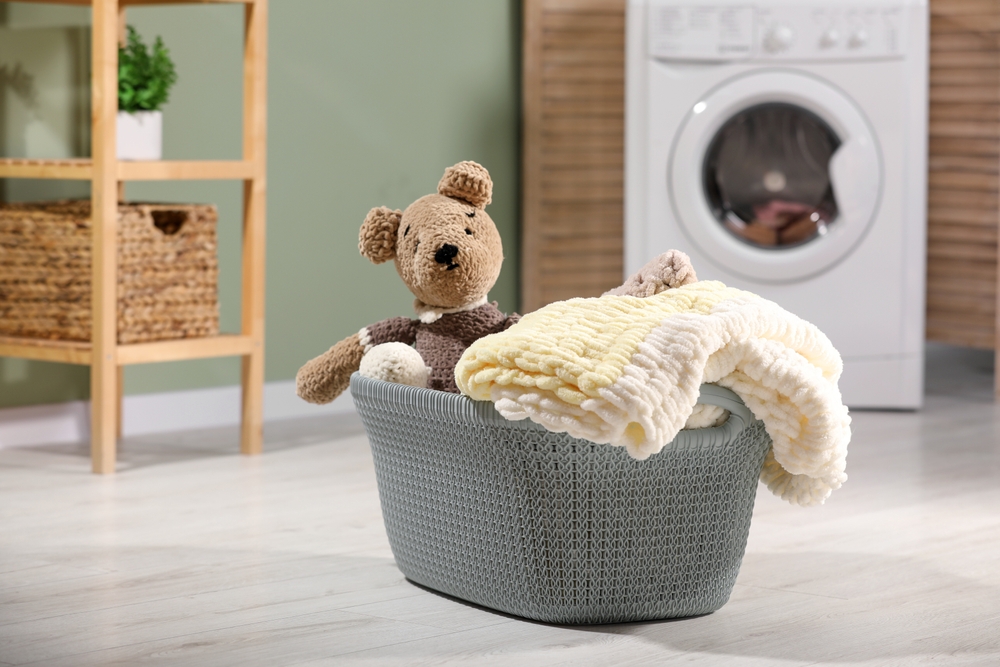
Soft toys are more than just playthings. Teddy bears, plush animals, and cuddly toys often become a child’s favourite companions. However, frequent handling can cause soft toys to accumulate dust, dirt, food stains, and unpleasant odours. Keeping them clean is an important part of maintaining their appearance and everyday hygiene.
Learning how to clean soft toys safely can help protect their fabric, stuffing, colours, and decorative features. While some toys can be washed at home, others require special care because of delicate materials, electronic components, or complex construction.
BusyBees offers professional soft toys cleaning services in Hyderabad to help families care for their children’s favourite toys.
1. Why Is Regular Soft Toys Cleaning Important?
Soft toys are frequently carried around, hugged, placed on beds, and taken outdoors. Over time, they can collect dirt, sweat, food residue, and other everyday contaminants.
Regular soft toys cleaning can help you:
- Remove visible dirt and everyday stains.
- Maintain the toy’s appearance and softness.
- Reduce unpleasant odours caused by spills and moisture.
- Keep frequently handled toys in better condition.
- Extend the useful life of favourite plush toys through appropriate care.
Cleaning frequency depends on how often a toy is used, whether it is exposed to spills, and the manufacturer’s care instructions.
2. How Often Should You Clean Soft Toys?
Different toys require different cleaning schedules.
- Toys used every day: Inspect them regularly and clean them when visibly dirty or according to their care instructions.
- Bedtime teddy bears: Pay attention to toys that children carry or cuddle frequently.
- Toys taken outdoors: Clean them when they collect visible dirt or become stained.
- Occasionally used stuffed animals: Check them periodically for dust, odours, and storage-related issues.
- Toys exposed to spills: Address the affected area promptly using a suitable cleaning method.
Always allow cleaned toys to dry completely before giving them back to a child.
3. Check the Care Label Before Cleaning Soft Toys
Before washing any stuffed toy, inspect its label and construction. Not every soft toy can safely be placed in a washing machine.
Look for information about:
- Hand washing or machine washing.
- Water temperature.
- Drying instructions.
- Fabric restrictions.
- Special handling requirements.
Toys containing batteries, sound modules, glued accessories, delicate stitching, or special fillings may require surface cleaning or professional assessment.
When the label is missing or the toy is particularly valuable, avoid experimenting with harsh products or aggressive washing methods.
4. How to Clean Different Types of Soft Toys
Cotton and Polyester Plush Toys
Some cotton and polyester plush toys can be washed according to their care labels. Use a suitable detergent and gentle washing method where permitted.
Avoid excessive agitation if the toy has loose stitching or delicate decorative features.
Large Teddy Bears
Large teddy bears can be difficult to wash and dry evenly at home. Their thick stuffing may retain moisture, making thorough drying especially important.
Check the manufacturer’s instructions before attempting to wash a large stuffed toy.
Delicate or Collectible Soft Toys
Vintage toys, handmade plush animals, and toys with delicate embroidery may require specialised care.
Professional assessment can help determine an appropriate cleaning method while reducing the risk of damage.
Electronic and Musical Toys
Toys containing batteries, speakers, or electronic components should not be submerged in water unless the manufacturer specifically permits it.
Follow the cleaning instructions carefully and keep electronic components dry.
5. How to Handle Common Soft Toy Stains
Accidental spills are common when children play with their favourite toys. The appropriate treatment depends on the stain and the toy’s material.
Food and Drink Stains
Gently blot excess liquid with a clean cloth. Avoid rubbing the stain deeper into the fabric. Follow the care label before applying water or a cleaning product.
Mud and Outdoor Dirt
Remove loose dirt gently when the toy is dry enough to handle. Use a suitable cleaning method based on the fabric and manufacturer’s instructions.
Unpleasant Odours
Check whether the toy is completely dry and inspect it for spills or trapped moisture. Avoid spraying strong fragrances or chemicals onto toys used by children.
Ink and Difficult Stains
Ink and other stubborn marks may be difficult to remove without affecting the toy’s colour. Avoid harsh solvents, bleach, or aggressive scrubbing.
For delicate or heavily stained toys, consider professional soft toys cleaning.
6. Common Soft Toy Cleaning Mistakes to Avoid
Incorrect cleaning methods can damage the toy or leave it unsuitable for immediate use.
Avoid these mistakes:
- Washing every toy in a washing machine.
- Ignoring the manufacturer’s care instructions.
- Using bleach or harsh chemicals without confirming suitability.
- Scrubbing delicate fabrics aggressively.
- Soaking toys containing electronics.
- Leaving toys damp for e