

How to Care for Expensive Clothes and Make Them Last Longer
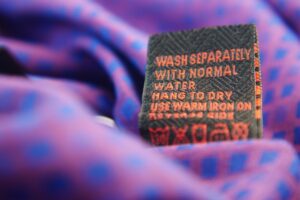
Expensive clothes deserve special care. Whether you own designer outfits, silk garments, formal suits, embroidered dresses, or premium everyday wear, the right garment care routine can help maintain their appearance and condition for longer. Frequent washing, unsuitable detergents, excessive heat, and improper storage can affect delicate fabrics and cause fading, shrinkage, or damage. Understanding how to care for expensive clothes helps you make better decisions about washing, ironing, cleaning, and storage. BusyBees provides professional laundry and dry cleaning services in Hyderabad to help customers care for garments that require extra attention. 1. Always Check the Garment Care Label Before washing or ironing an expensive garment, check its care label. The label provides important instructions about washing temperature, drying, ironing, and professional cleaning. Pay attention to symbols indicating: Machine washing or hand washing. Recommended water temperature. Whether bleaching is permitted. Suitable drying methods. Recommended ironing temperature. Professional dry cleaning requirements. Following these instructions can help reduce the risk of unnecessary fabric damage. 2. Choose the Right Cleaning Method for Each Fabric Different fabrics require different cleaning approaches. Using the same method for every garment can affect the fabric’s texture, colour, and finish. Silk Garments Silk is a delicate fabric that may be affected by unsuitable detergents, excessive moisture, or high temperatures. Follow the garment’s care label and consider professional cleaning for valuable or embellished silk outfits. Wool and Cashmere Wool and cashmere garments can shrink, stretch, or lose their shape if cleaned incorrectly. Use only the method recommended on the care label, and store these garments appropriately between uses. Designer and Embroidered Clothing Garments featuring beads, sequins, embroidery, decorative borders, or special finishes may require specialised treatment. Professional assessment can help identify a suitable cleaning method. Suits and Formal Wear Business suits, blazers, and formal outfits often need careful handling to maintain their structure and finish. Avoid unnecessary washing and follow the manufacturer’s cleaning recommendations. 3. Avoid Washing Expensive Clothes Too Frequently Not every garment needs to be washed after every wear. The appropriate frequency depends on the fabric, how long the garment was worn, exposure to sweat or dirt, and the manufacturer’s instructions. To care for expensive clothes: Air garments between wears when appropriate. Address small spills promptly. Wash only when necessary and according to care instructions. Avoid excessive detergent. Separate delicate garments from heavy items. Use a suitable cleaning service when the care label requires it. These habits can help reduce unnecessary wear from repeated washing. 4. Remove Stains Carefully Stains from food, beverages, cosmetics, and everyday use can affect expensive clothing. However, the wrong treatment may make a stain more difficult to remove. Follow these precautions: Blot excess liquid gently with a clean cloth. Avoid rubbing the affected area aggressively. Check the care label before applying a cleaning product. Test a suitable product on a hidden area when appropriate. Seek professional advice for delicate fabrics or stubborn stains. Avoid applying heat or ironing over a stained area before the stain has been treated, because heat can set certain stains. 5. Use the Correct Ironing Technique Incorrect ironing can leave shiny marks, scorch fabric, or damage delicate finishes. Follow these garment-care tips: Use the temperature recommended on the care label. Avoid applying direct heat to delicate embellishments. Use a suitable pressing cloth when recommended. Do not leave a hot iron in one place. Allow garments to cool before storing them. Consider professional steam ironing for suitable garments that require a neat finish. If you are unsure whether a fabric can tolerate steam or direct heat, consult the care label or a professional cleaner. 6. Store Expensive Clothes Properly Correct storage helps maintain garment shape and reduces avoidable damage. Use Suitable Hangers Choose hangers appropriate for the garment’s weight and construction. Structured jackets may require shaped hangers, while delicate knitwear may be better stored folded according to its care requirements. Keep Clothes Dry Store garments in a clean, dry, well-ventilated space. Avoid storing clothes while they are damp. Protect Delicate Garments Keep embellished and delicate garments from snagging against zippers, hooks, or rough fabrics. Avoid Overcrowding Allow enough space for garments to hang without excessive compression. This can help reduce creasing and make clothing easier to access. Check Stored Clothes Periodically Inspect stored garments occasionally and follow suitable fabric-care recommendations to maintain their condition. 7. Common Mistakes That Can Damage Expensive Clothing Even high-quality clothing can deteriorate if handled incorrectly. Avoid these common mistakes: Ignoring care-label instructions. Using bleach on unsuitable fabrics. Washing delicate garments with heavy items. Applying excessive heat during ironing. Rubbing stains aggressively. Hanging heavy knitwear in a way that stretches it. Storing clothes before they are completely dry. Using unsuitable household cleaning chemicals. Choosing the correct cleaning and storage methods can help preserve the appearance of your favourite garments. 8. When Should You Choose Professional Dry Cleaning? Home garment care is useful for everyday maintenance, but certain clothes may require professional cleaning. Consider professional dry cleaning for: Garments labelled for dry cleaning. Expensive suits and formal wear. Delicate silk or wool outfits. Designer clothing with embellishments. Clothes with persistent stains. Special-occasion garments that require careful handling. A professional cleaner can assess the fabric, construction, stains, and care label before selecting an appropriate treatment. Cleaning results depend on the garment’s condition and the type of stain. 9. Keep Your Wardrobe in Excellent Condition with BusyBees Taking care of expensive clothing involves more than choosing a good detergent. Appropriate cleaning, careful ironing, prompt stain treatment, and proper storage all contribute to maintaining garment quality. BusyBees offers professional laundry, dry cleaning, and steam ironing services in Hyderabad for customers who want convenient garment care. Whether you need help with formal wear, delicate fabrics, or everyday clothing, explore our services to find an option that matches your garment’s requirements. Visit the BusyBees website to learn more about our professional dry cleaning services in Hyderabad and arrange a pickup. Frequently Asked Questions How often should expensive clothes be professionally cleaned? The frequency depends on the garment, how often it is